 Skip to content
A driveway is one of the first things people notice about your home, and one of the hardest-working surfaces on your property. In Massachusetts, harsh winters, freeze-thaw cycles, and seasonal moisture make timing just as important as materials and workmanship. Choosing the wrong time of year to pave can lead to cracking, poor adhesion, and costly repairs far sooner than expected.
Understanding when conditions are right enables homeowners to protect their investment, enhance curb appeal, and avoid preventable issues. With the right timing and professional planning, driveway paving becomes a long-term upgrade, not a short-term fix.
Choosing the best time of year to pave a driveway in Massachusetts is crucial for durability and value. Late spring through early fall offers ideal temperatures for adhesion and longevity, though fluctuating costs and unpredictable weather can complicate planning. Understanding these factors helps homeowners maximize investment, avoid costly mistakes, and achieve lasting results with their paving project.
Understanding How Massachusetts Weather Affects Driveway Paving Durability
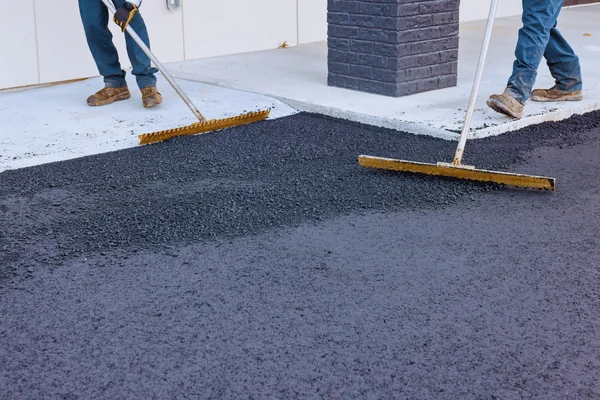
Massachusetts weather directly affects the durability of driveway paving, making timing critical. The best time of year to pave driveway projects is late spring through early fall, when warm, dry conditions support proper curing.
While the cheapest time of year to pave a driveway may fall in the off-season, cooler temperatures and unpredictable weather can compromise results. Balancing cost savings with optimal conditions helps ensure a driveway that remains strong, resilient, and long-lasting despite the region’s challenging climate.
The Ideal Seasonal Conditions for Long-Lasting Driveway Paving in MA
Choosing the right season to pave your driveway can significantly affect its longevity and performance. Ideally, you want to pave when temperatures are consistently between 70°F and 85°F. This warmth ensures proper curing and asphalt adhesion. Additionally, avoid rainy or extremely humid days, as moisture can compromise the paving process. By timing it right, you will enhance durability and reduce future maintenance needs.
When Is the Best Time to Pave a Driveway in Massachusetts?
Homeowners often wonder, “When is the best time to pave a driveway?” Since timing directly impacts durability and performance. In Massachusetts, late spring through early fall offers the most reliable conditions, as warmer temperatures allow asphalt to cure correctly. Cold, wet seasons like winter or early spring increase risk of cracks and premature wear. By planning your project during the ideal months, you’ll ensure a smoother process, stronger results, and a driveway built to last for years.
Why the Best Time of Year to Pave Driveway Isn’t Always the Cheapest
Late spring through early fall is often considered the best time to pave driveways, thanks to favorable weather. However, this peak season doesn’t always align with the lowest costs. Several factors contribute to higher expenses during these months:
Busy Contractors
From late spring through early fall, paving contractors experience peak demand. With fuller schedules and limited availability, labor costs often rise. Homeowners may find themselves paying more simply because crews are in high demand, making this season less budget-friendly despite ideal conditions.
Material Price Increases
Asphalt and related materials become more expensive when demand spikes during peak paving months. Suppliers are raising prices to match the surge in projects, which directly increases overall costs. Even under ideal conditions, higher material costs can significantly increase driveway paving costs.
Limited Scheduling Flexibility
Peak season reduces scheduling flexibility, as contractors prioritize larger or earlier projects. Homeowners may need to pay premiums for preferred dates or expedited service. This lack of availability can increase costs, adding financial pressure despite the favorable weather conditions for paving.
Balancing Cost and Quality
While paving during peak months is more expensive, the quality of results often justifies the investment. Warmer temperatures ensure better adhesion and durability, reducing long-term maintenance costs. Homeowners must weigh the higher upfront costs against the long-term benefits of a driveway built to endure.
The Cheapest Time of Year to Pave Driveway Without Sacrificing Quality
If you want to save money on driveway paving without compromising quality, late fall or early spring can be smart choices. Contractors often have lighter schedules during these periods, leading to more competitive pricing.
Cooler temperatures also support proper asphalt curing, ensuring durability and long-term performance. By planning carefully and scheduling outside peak-demand periods, you can achieve a strong, lasting driveway while keeping costs manageable, making these seasons the cheapest time of year to pave driveway projects.
Seasonal Pros & Cons and Benefits of Local Paving and Sealing Services
Hiring a local Massachusetts sealcoating professional ensures your driveway is designed for the region’s demanding climate. Local contractors understand soil conditions, drainage challenges, and how freeze-thaw cycles affect asphalt performance. They also closely monitor seasonal weather patterns, helping homeowners schedule paving during optimal curing and adhesion windows.
Beyond technical expertise, local professionals are familiar with municipal regulations and material availability, keeping projects compliant and on schedule. Because their reputation depends on long-term results in the community, local paving companies prioritize proper preparation, quality materials, and expert application, delivering driveways built to last through New England’s toughest seasons.
Choosing the right season for paving your driveway can significantly influence both the quality of the results and your overall satisfaction. Each season offers unique advantages and challenges worth considering:
Spring
Moderate temperatures create ideal conditions for asphalt installation, helping it set properly. However, frequent rain showers can delay projects, extend timelines, and increase real cost of driveway sealcoating if rescheduling becomes necessary.
Summer
Warm weather accelerates curing, ensuring strong adhesion and durability. Yet extreme heat can soften the surface, leading to potential imperfections. Scheduling may also be difficult due to high demand during peak months.
Early Fall
Mild temperatures and lower humidity provide excellent conditions for long-lasting results. Asphalt cures evenly, and cooler weather reduces the risks of softening. As demand tapers, homeowners may also benefit from more flexible scheduling and competitive pricing.
How to Tell If Your Driveway Is Ready for Paving This Season
Before deciding on the best time of year to pave a driveway, it’s important to assess whether the surface is prepared. Start by inspecting for cracks, potholes, or crumbling areas, as these often signal structural weakness that requires new paving. Drainage issues, such as pooling water or damp spots, should also be addressed to prevent future damage and ensure proper curing.

Equally important is checking ground conditions, soil must be dry and stable to support long-lasting results. Finally, review upcoming weather forecasts to confirm mild, stable conditions, avoiding rainy periods or extreme temperatures. By resolving underlying problems and choosing the right season, you’ll achieve a smoother paving process and a durable finish that enhances your home’s value.
Future Climate Trends and What They Mean for Driveway Paving Timelines
Climate change is reshaping seasonal patterns, which directly affect the optimal time to schedule driveway paving. By understanding how temperature, rainfall, and seasonal transitions evolve, homeowners can plan projects more effectively and achieve longer-lasting results.
Rising Temperatures
Warmer conditions may extend the paving season, providing greater scheduling flexibility. However, extreme heat can soften asphalt, requiring careful timing to avoid surface imperfections.
Increased Rainfall
Heavier or more frequent precipitation disrupts drying times and can delay projects. Planning around wetter months is essential to ensure proper curing and durability.
Warmer Winters
Milder winters slightly expand paving opportunities, but sudden cold snaps or unexpected storms still pose risks. Contractors must adapt quickly to unpredictable weather.
Planning with Confidence
By staying informed about climate trends, homeowners can choose practical timelines that balance cost, quality, and longevity, ensuring durable results despite shifting conditions.
How to Schedule a Driveway Paving Project for the Best Results
Planning a driveway paving project requires careful attention to timing to ensure lasting results. The most reliable periods are late spring and early fall, when temperatures are mild, and conditions favor proper asphalt curing. Avoid scheduling during rainy seasons, as moisture can delay work and compromise quality, or during extreme heat, which risks surface softening.
It’s also essential to secure your contractor well in advance, since peak seasons often mean limited availability and higher demand. Booking early helps you avoid delays, secure preferred dates, and ensure the crew has sufficient time to deliver quality workmanship. With proper timing and preparation, your driveway investment will provide durability, functionality, and long-term value.
Final Thoughts on Paving a Driveway
The best time of year to pave driveway projects in Massachusetts is late spring through early fall, when warm, dry conditions ensure proper curing and long-lasting durability. While off-season pricing may seem attractive, choosing the correct timing delivers superior performance and reduces future maintenance costs.
By monitoring weather patterns and scheduling during the ideal season, homeowners can achieve a strong, resilient driveway that enhances both functionality and value for years to come.
Boost curb appeal and protect your investment. Quality materials, expert application, every time.
Schedule Donovan Sealcoating today.
FAQ
Got questions about paving your driveway in Massachusetts? You’re not alone. Let’s tackle some common queries to help you make the best decision for your project.
1. How warm does it need to be in Massachusetts to lay asphalt correctly?
Laying asphalt correctly in Massachusetts requires a specific temperature range to guarantee ideal adhesion and durability. Ideally, asphalt should be laid when temperatures are between 50°F and 85°F. Below 50°F, the asphalt may not bond properly, leading to cracks and premature wear. Conversely, when it’s too hot, the asphalt can become too soft, affecting its structural integrity.
2. Can you pave a driveway in the winter if there’s a warm spell?
Is it possible to pave a driveway in winter during a warm spell? Yes, but it’s not ideal. While warmer temperatures can make paving feasible, the ground must remain stable and free of frost. If conditions are right, you might get a decent result, but winter paving often leads to faster wear and tear than summer jobs.
3. What month gives the best value for cost and quality in MA?
The best month for paving a driveway in Massachusetts, in terms of value for cost and quality, often falls between April and June. During this period, temperatures are mild, making asphalt installation ideal. Contractors are also more available, which can lead to competitive pricing. By choosing this window, you’ll maximize your investment and guarantee a durable, high-quality driveway.
4. How long does a newly paved driveway need to cure in cool weather?
Curing a newly paved driveway in cool weather typically takes longer than in warmer conditions. At temperatures below 50°F, curing will take at least 30 days. Keep in mind that asphalt needs sufficient time to harden and set properly. To guarantee durability, avoid heavy traffic on the driveway during this curing period.
5. Is it okay to pave during rainy stretches in the spring?
Paving during rainy stretches in the spring can lead to several issues that may compromise the quality of your driveway. Wet conditions can prevent asphalt from bonding properly, leading to cracking or unevenness. Additionally, rain can wash away essential materials, weakening the base. It’s best to wait for dry weather to ensure a durable, long-lasting driveway.
6. Does coastal Massachusetts have a longer paving season than inland areas?
During the paving season, coastal Massachusetts generally has a longer timeframe than inland areas. The milder coastal climate extends paving opportunities, allowing work to start earlier in spring and continue later into fall. In contrast, inland regions experience more extreme temperatures, which can shorten the paving season and degrade asphalt quality.
7. What should homeowners do before contractors arrive in the spring?
As spring approaches and paving season kicks off, homeowners should take proactive steps to prepare for contractors’ arrival. Start by clearing your driveway of debris, branches, and any obstacles. Mark any underground utilities to prevent damage. Confirm proper drainage by checking for pooling water. Finally, communicate any specific requests or concerns with your contractor to guarantee a smooth paving process.


